Version: 6.2511.7533
Developer: Microsoft Corporation
 Verified App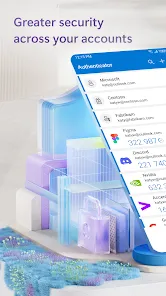
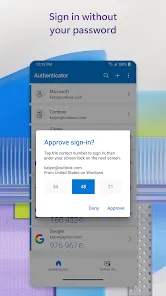
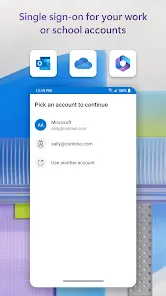
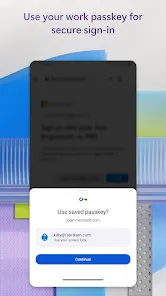
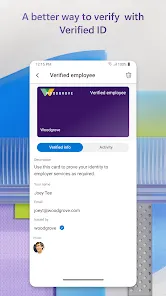
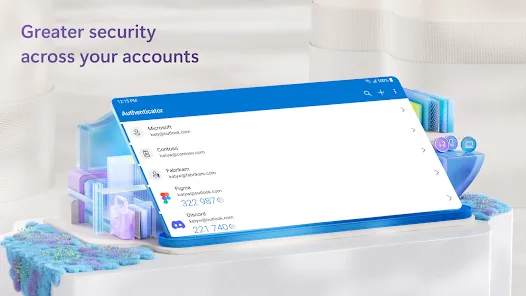
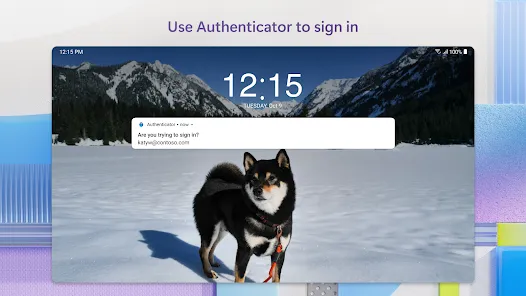
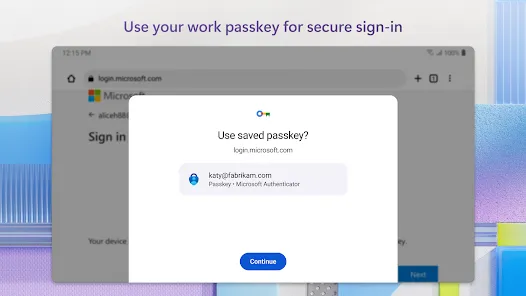
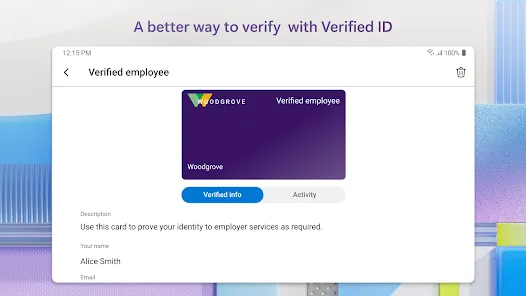
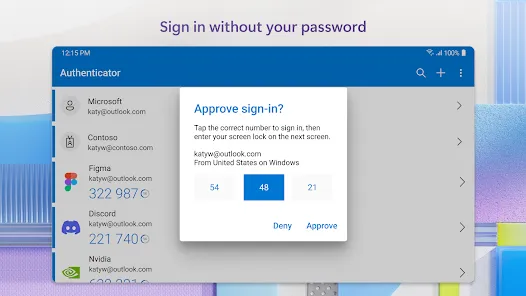
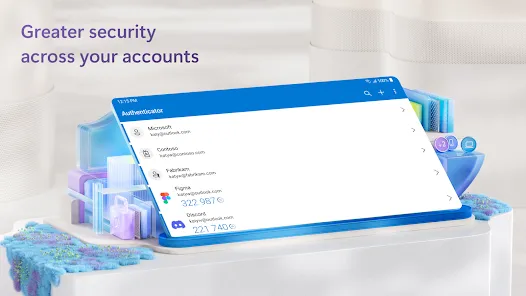
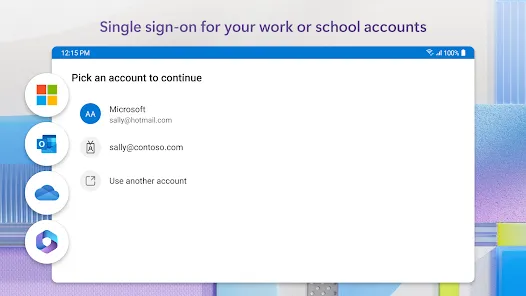
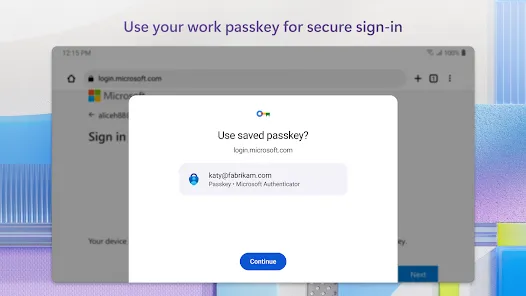
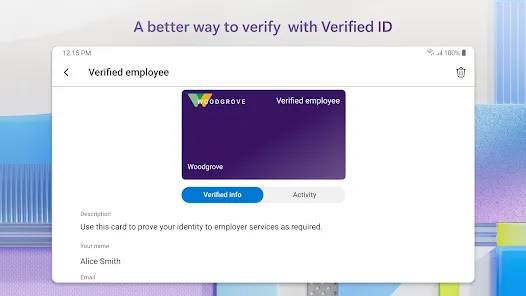
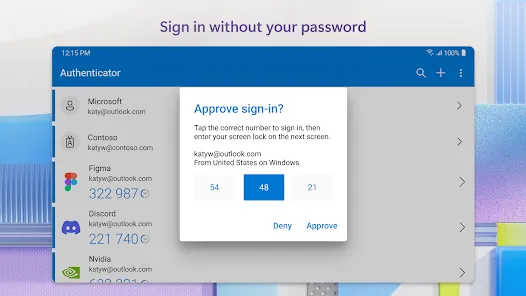
Microsoft Authenticator is not just a run-of-the-mill two-factor authentication app; it packs a punch with a suite of features designed to simplify and secure your digital life. After using it extensively, I can confidently highlight a few key attributes that make it stand out in a crowded market.
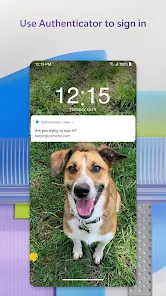
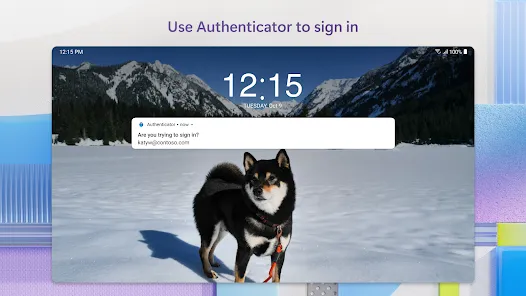
In my day-to-day life, Microsoft Authenticator has proven to be an invaluable tool. Every morning, I start by checking my work emails. As I type in my credentials, the app sends a prompt to my phone asking for authorization. A quick tap, and I’m in—no digging through my email for codes or fumbling with SMS messages. Similarly, when I log into my personal social media accounts, I rely on the one-tap approval feature to save time. Even while traveling, I find it helpful. For instance, while trying to book a hotel on my app, the site requested verification. I received a notification on my phone, quickly approved it, and completed my booking in a matter of seconds.
The user interface of Microsoft Authenticator is clean and intuitive. Upon opening the app, I’m greeted with a dashboard displaying all my accounts neatly organized. The navigation is straightforward, allowing me to manage settings and add new accounts seamlessly. I particularly appreciate the ease of adding new accounts; simply scan a QR code, and it’s done. Performance-wise, the app runs smoothly without any noticeable lag, even when I’m juggling multiple tasks. Overall, using Microsoft Authenticator has been a stress-free experience, leaving me feeling secure and in control of my online presence.
One of the best aspects of Microsoft Authenticator is that it’s completely free to use. There are no hidden fees, in-app purchases, or subscription models. This makes it accessible for everyone, regardless of their budget. Given the level of security and convenience it offers, I believe it provides excellent value without costing a dime.
Microsoft is known for its commitment to keeping its products updated, and Authenticator is no exception. The app receives regular updates, which have introduced new features and improved security measures. Whenever I have encountered an issue, the support documentation on Microsoft’s website has been incredibly helpful. Additionally, their customer support is responsive, which gives me peace of mind knowing that assistance is just a click away.
As an American user, security and privacy are paramount to me when using any app, especially one that handles sensitive information like Microsoft Authenticator. The app is available on both the App Store and Google Play, and it has garnered positive reviews for its safety measures. To register for the app, I only needed to provide minimal personal information, which is a significant plus in today’s data-driven world.
Moreover, I was pleased to discover that Microsoft Authenticator does not bombard users with ads or engage in intrusive tracking behavior. The app is designed to prioritize user privacy, which is critical for anyone concerned about data security. Overall, I feel confident that my information is safeguarded while using Microsoft Authenticator, allowing me to focus on my daily tasks without worry.

 Enhance security with MFA Quick and easy account access Supports multiple accounts easily Seamless integration with apps Backup and recovery options
 Limited backup options Requires internet for setup Can be slow to sync codes Compatibility issues with some apps
 Yes, the Microsoft Authenticator app offers backup and recovery options for your accounts. If you are using an Android device, you can enable cloud backup through your Google account. For iOS users, the app can back up your data to iCloud. These features allow you to restore your accounts easily if you switch devices or lose access to your phone. Make sure to enable this feature in the app settings for added security and convenience.
Yes, the Microsoft Authenticator app can generate time-based one-time passwords (TOTPs) even when you are offline. Since the app uses an algorithm to create codes based on the current time and a secret key, it does not require an internet connection to function. However, you will need an internet connection to initially set up the app and to receive push notifications for account verification.
Yes, the Microsoft Authenticator app is designed to work with a wide range of non-Microsoft accounts as well. It supports any service that uses time-based one-time passwords (TOTPs) for two-factor authentication, including Google, Facebook, and many others. Simply select the option to add a non-Microsoft account in the app and follow the instructions to set it up.
To set up the Microsoft Authenticator app, first download it from the App Store or Google Play Store. Then, open the app and select “Add account.” You can choose to either sign in using your Microsoft account or add a non-Microsoft account. For non-Microsoft accounts, you will usually need to scan a QR code provided by the service you want to secure, or you can enter a code manually. Follow the prompts to complete the setup, and ensure that you enable notifications for seamless access.
The Microsoft Authenticator app is considered very secure. It uses industry-standard protocols for two-factor authentication and generates unique, time-sensitive codes that are difficult to predict. Additionally, the app itself can be protected with a PIN or biometric authentication, adding another layer of security. However, it’s important to keep your device secure and to enable backup and recovery options in case of loss or theft.
You can contact Microsoft Support through their official website or the Microsoft Support app on your device for assistance.
Download the app, open it, and follow the instructions to add your account by scanning a QR code or entering a setup key.
Open the app, select your account, and use the provided code to log in. If prompted, verify your identity as needed.
Microsoft does not provide a specific customer number for Authenticator. Instead, use their online support resources for help.

















 Google Play
  App Store