Version: 20.2
Developer: Kodi Foundation
 Verified App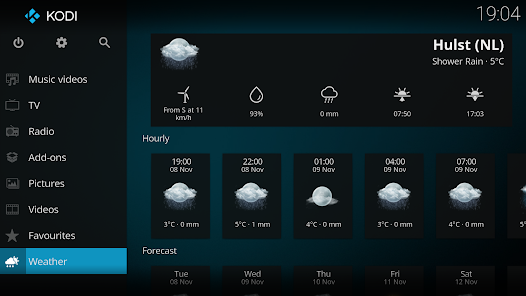
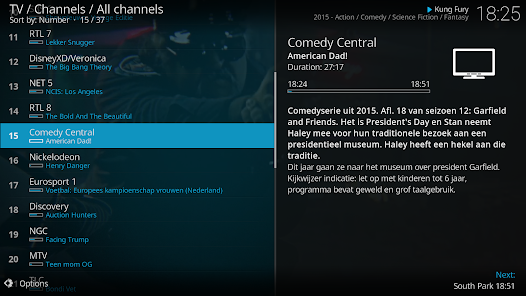
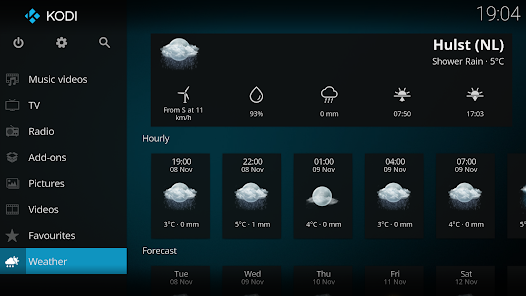
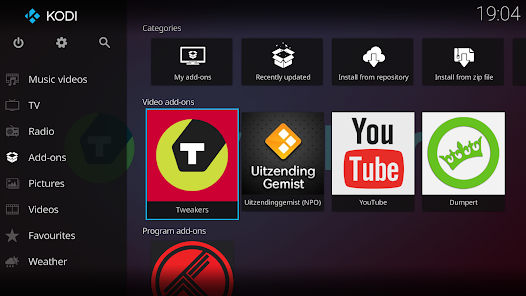
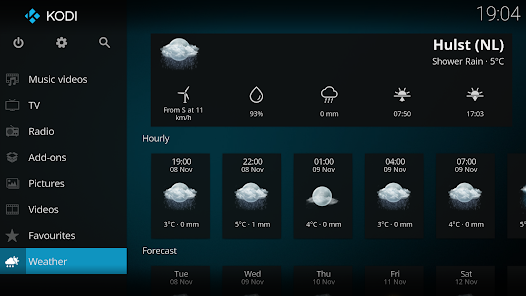
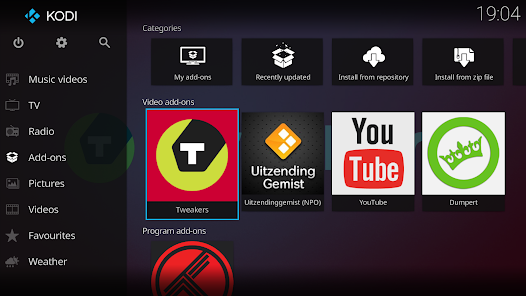
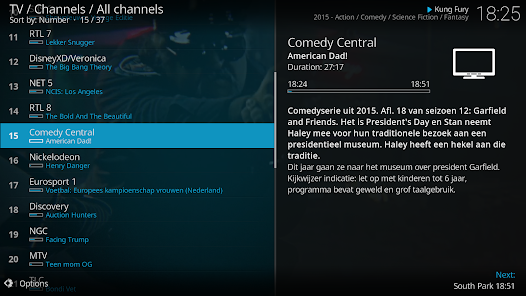
Kodi is a versatile media center application that caters to a wide range of entertainment needs. From streaming to local playback, its core features set it apart from other media players. Here are some of its standout highlights:
As a media enthusiast, my daily interactions with Kodi revolve around entertainment. I often use it in different scenarios, such as winding down after a long day or hosting gatherings. For instance, on weekdays, I relax by streaming documentaries and indie films from various add-ons, enriching my knowledge while enjoying artistic expressions. On weekends, I frequently host movie marathons with friends, where we explore different genres—from classic comedies to the latest thrillers—using Kodi's extensive library. The flexibility of adding new channels and accessing various content types enables me to cater to different tastes, ensuring that everyone has a great time.
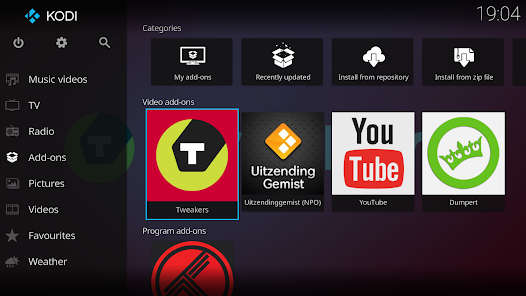
The user interface of Kodi is intuitive yet highly customizable. Upon launching the app, I’m greeted with a clean home screen that neatly organizes my content. Navigating through my library feels smooth, and I appreciate how quickly I can switch between different media types thanks to the well-organized menu. The performance has been stellar; I rarely experience buffering, even when streaming high-definition content. I also find the add-on installation process straightforward, with detailed instructions guiding me through the setup. Overall, my experience with Kodi has been overwhelmingly positive, as it caters to my diverse media consumption needs while providing an enjoyable user experience.
Kodi itself is an open-source application, which means it is completely free to download and use. This is a major plus for budget-conscious users like me who want a powerful media center without any subscription fees. However, while the app is free, some specific add-ons or streaming services may require separate subscriptions, but Kodi doesn’t impose any additional costs for its core functionalities.
Kodi is regularly updated, ensuring that I benefit from new features and improvements. The development team is active in addressing bugs and enhancing performance. I appreciate the comprehensive support available, including an extensive online community and forums where I can seek help. Whenever I encounter an issue, I can quickly find solutions or workarounds, making my overall experience smooth and enjoyable.
When it comes to security and privacy, Kodi takes several measures that reassure me as an American user. First and foremost, I can download Kodi from official app stores like Google Play and the Apple App Store, which minimizes the risk of malware. There are no mandatory registration or personal data requirements when using Kodi, which is a significant advantage for privacy-conscious individuals. Additionally, I appreciate that Kodi does not bombard me with ads or engage in tracking behavior, allowing for a more streamlined and enjoyable viewing experience. However, it's essential to be cautious with third-party add-ons, as their security measures may vary. Overall, I feel confident using Kodi, knowing that my data remains private and secure while I enjoy my favorite media content.

 Stream a wide variety of content User-friendly interface design Supports multiple file formats Add-ons for endless customization Available on multiple platforms
 Limited official support Illegal streaming risks Complex setup process Frequent updates required
  Google Play
  App Store
 There are numerous recommended add-ons for Kodi that cater to various interests. For legal streaming, popular add-ons include YouTube, Netflix (via a browser add-on), and various news and sports channels. For music lovers, add-ons like Spotify and SoundCloud provide access to vast music libraries. For those interested in live TV, add-ons like Pluto TV and Tubi can be excellent choices. Always ensure that the add-ons you choose are from reputable sources to avoid legal issues or security risks.
Yes, you can use Kodi without add-ons. While add-ons enhance Kodi's functionality and provide access to various streaming sources, Kodi itself can play local media files stored on your device or on a network. You can manually organize your media library, browse through your files, and play them without any add-ons. However, the user experience may be limited compared to using add-ons that offer streaming capabilities and additional features.
Yes, Kodi can be used on many smart TVs, especially those running Android TV. You can download it from the Google Play Store directly on the TV. For non-Android smart TVs, you may need to use alternative methods, such as casting from a mobile device or using a streaming device like Amazon Fire Stick, Roku, or Chromecast, which supports Kodi. Make sure to check the compatibility of your specific smart TV model before attempting installation.
Installing Kodi is straightforward and varies slightly depending on the platform. For most devices, you can visit the official Kodi website, download the installer for your operating system, and follow the installation prompts. For Android devices, Kodi can be downloaded directly from the Google Play Store. On devices like Raspberry Pi, you may need to use a specific installation image. Ensure that you download Kodi from the official source to avoid security risks.
Updating Kodi can typically be done through the application itself or by downloading the latest version from the official website. If you installed Kodi via an app store, you may receive updates automatically. To manually update, check the Kodi settings for an option to check for updates or go to the official Kodi site, download the latest version, and reinstall it over the existing installation. Your settings and library should remain intact, but it's always a good practice to back up your data before updating.
You can visit the Kodi website for community support or check forums like Reddit. Kodi does not offer direct customer service.
Kodi doesn't require activation. Simply download the app from the official website or your device's app store to start using it.
Kodi does not require a login for basic use. Some add-ons may require accounts, which you can set up through their respective services.
Kodi does not have a customer number as it is open-source software with community support.