Version: 1.0.2
Developer: Spalding Education
 Verified App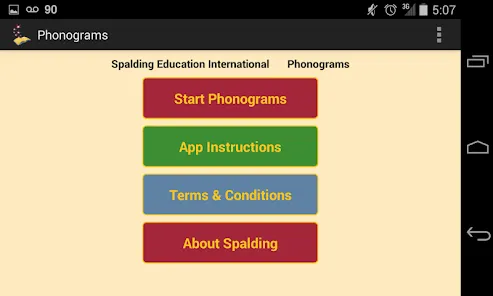
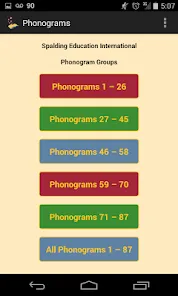
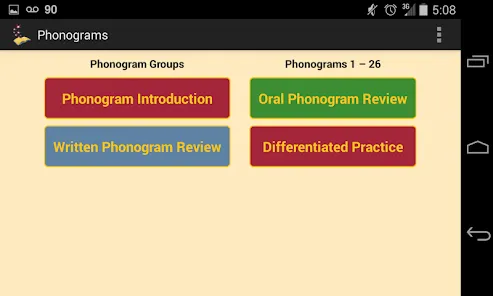
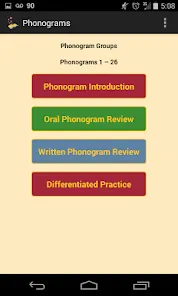
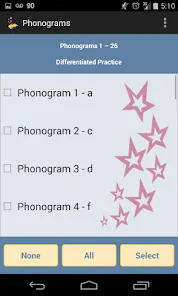
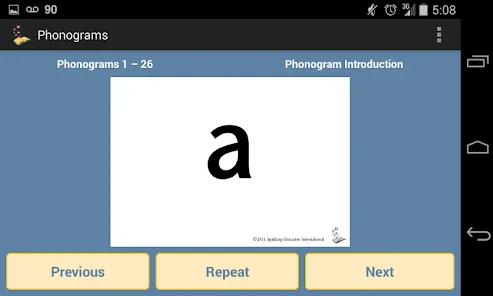
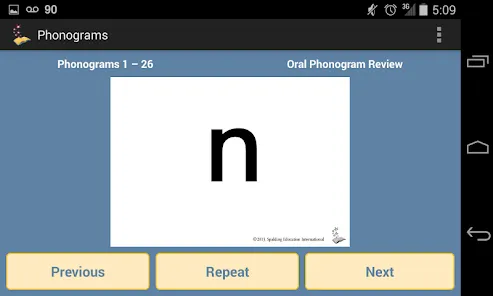
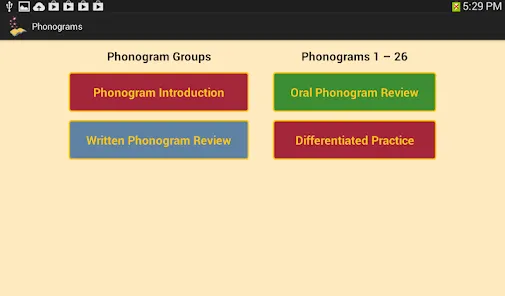
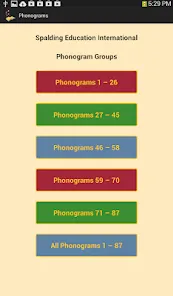
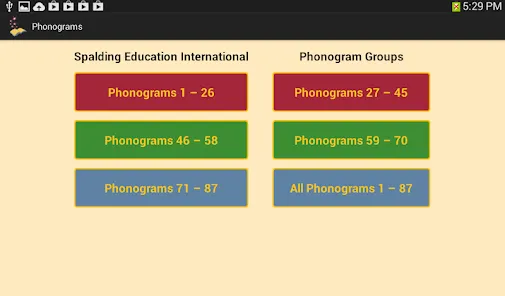
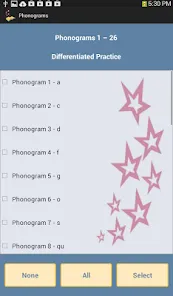
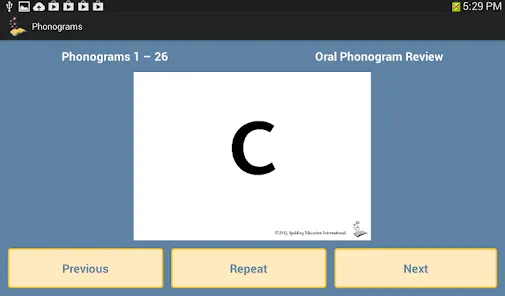
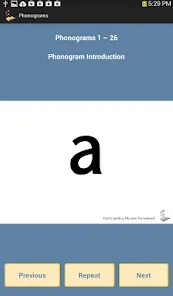
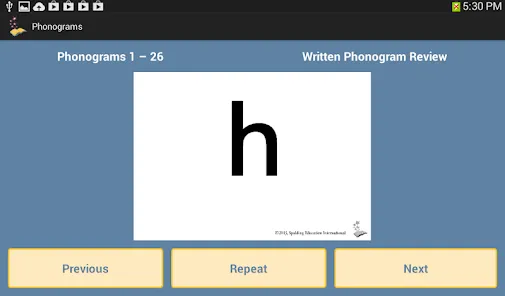
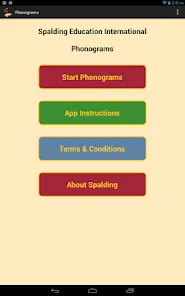
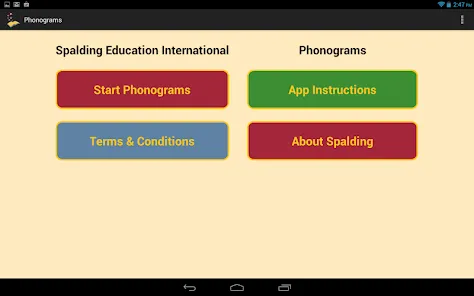
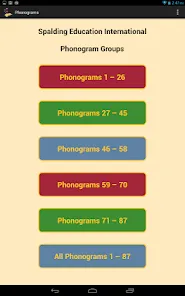
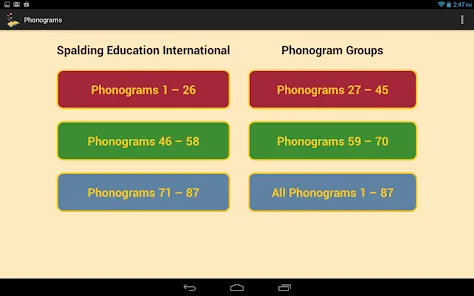
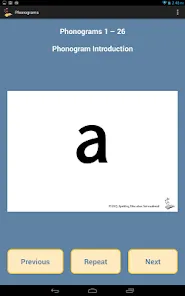
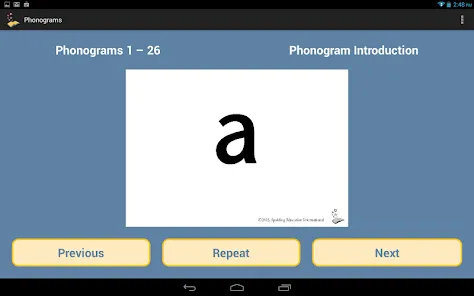
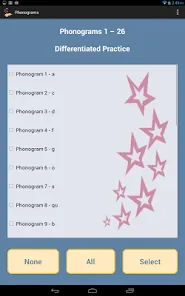
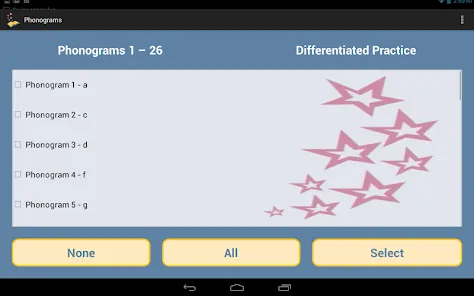
Phonograms are essential tools in the realm of literacy and language education, designed to represent sounds in written form. One of their primary features is that they can represent single sounds, known as phonemes, or combinations of sounds, allowing for a more flexible approach to reading and writing. This adaptability makes phonograms particularly useful for teaching children how to decode words, as they can break down complex sounds into manageable parts.
Another notable feature of phonograms is their systematic nature. They are often organized in a structured manner, which helps learners understand the relationships between sounds and letters. This systematic approach aids in phonics instruction, enabling students to make connections between spoken and written language. Additionally, phonograms can be used across various languages, making them a versatile resource for multilingual education.
Moreover, phonograms can be visually represented through charts or flashcards, enhancing the learning experience by providing visual cues. This multimodal approach caters to different learning styles, ensuring that a wider range of students can benefit from phonogram instruction. Overall, the features of phonograms make them a valuable asset in literacy development.
Using phonograms effectively involves a structured approach that incorporates various teaching strategies. First, educators should introduce phonograms in a systematic way, starting with the most common sounds and gradually progressing to more complex combinations. This step-by-step method allows learners to build a solid foundation in phonics, making it easier for them to decode unfamiliar words.
Incorporating phonograms into daily reading and writing activities is also crucial. Teachers can create engaging exercises that encourage students to identify and use phonograms in context. For instance, using phonogram-based games or interactive activities can make learning more enjoyable and reinforce the concepts being taught. Additionally, providing ample opportunities for practice through reading aloud and writing exercises helps solidify students' understanding of phonograms.
Furthermore, it is beneficial to assess students' progress regularly. This can be done through informal assessments, such as observing their reading fluency and comprehension, or through more formal evaluations. By monitoring their development, educators can tailor their instruction to meet the individual needs of each student, ensuring that everyone can master the use of phonograms effectively.
Phonogram apps offer a range of advantages that can enhance the learning experience for students. One of the primary benefits is accessibility; these apps can be used on various devices, allowing learners to practice phonograms anytime and anywhere. This flexibility is particularly advantageous for busy families or students who may need additional practice outside of the classroom. Additionally, many phonogram apps incorporate interactive elements, such as games and quizzes, which can make learning more engaging and enjoyable for children.
However, there are also some drawbacks to consider. One potential con is that reliance on technology can sometimes detract from traditional learning methods. While apps can be a valuable supplement, they should not replace hands-on activities and face-to-face instruction, which are crucial for developing social skills and deeper understanding. Furthermore, not all phonogram apps are created equal; some may lack comprehensive content or fail to align with educational standards, leading to gaps in learning.
In conclusion, while phonogram apps can provide significant benefits in terms of accessibility and engagement, it is essential to use them thoughtfully and in conjunction with other teaching methods. Balancing technology with traditional approaches can help ensure that students receive a well-rounded education in phonics and literacy.
Spotify Wrapped is an annual feature that summarizes your listening habits, including your most-played songs and artists of the year.
To create a playlist, click "Your Library," then "Playlists," and select "Create Playlist." Add songs by searching or browsing.
Yes, with a Spotify Premium subscription, you can download songs and playlists for offline listening.
Spotify offers a free tier with ads, as well as a Premium subscription that removes ads and adds features.
Click the three dots next to the song, select "Share," and choose your preferred sharing method, like social media or a link.












 Google Play
  App Store