Version: 10.7.0
Developer: Anthology Inc.
 Verified App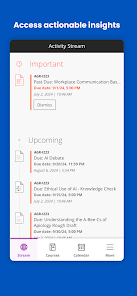
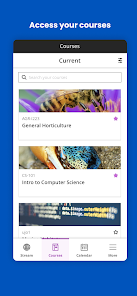
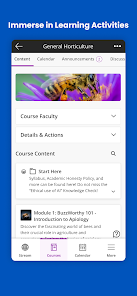
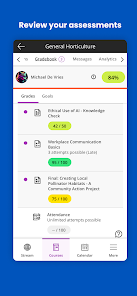
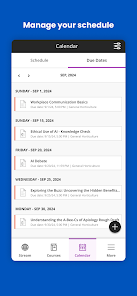
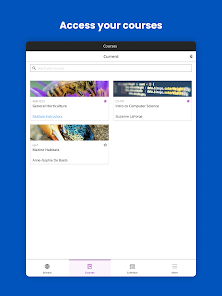
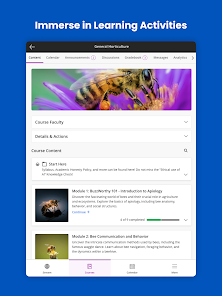
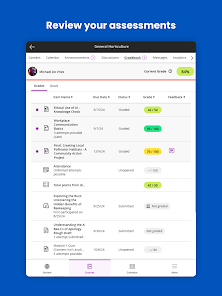
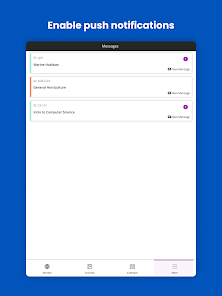
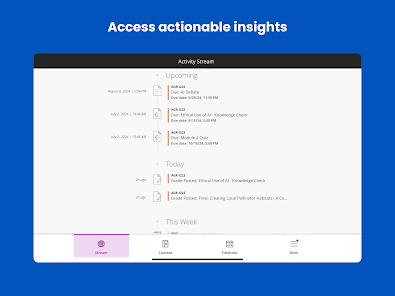
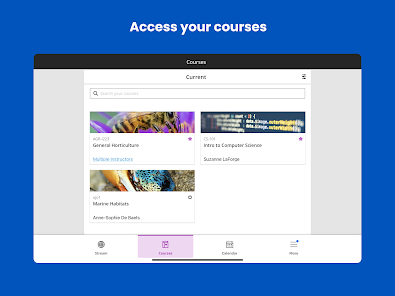
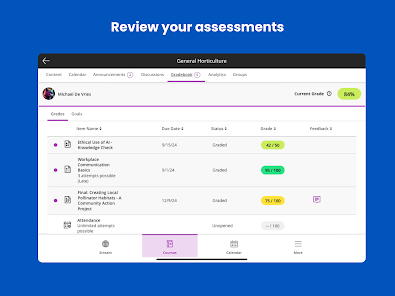
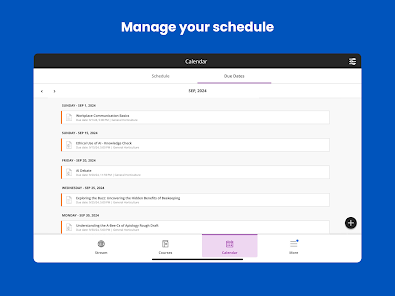
Blackboard Learn stands out as a comprehensive learning management system that integrates a variety of features tailored for both educators and students. Here are some of its core highlights:
In my day-to-day life as an educator, I rely heavily on Blackboard Learn for managing my courses and engaging with students. One scenario that stands out is during the midterm period when I had to upload multiple assignments and provide feedback efficiently. Using the app, I was able to create a series of assignments, each with its own grading rubric, and set deadlines that were easy for students to see. Additionally, I utilized the discussion boards to facilitate a lively debate on course topics outside of class hours, which truly enhanced student engagement.
The user interface of Blackboard Learn is straightforward, although it took me some time to get accustomed to its layout. Navigating through the course materials is generally intuitive, with clearly labeled sections for assignments, grades, and announcements. I particularly appreciate the feature that allows me to easily switch between different courses. The workflow for grading assignments is seamless; I can view submissions, provide feedback, and grade all within a few clicks. Performance-wise, the app is efficient and rarely crashes, which is a relief during peak usage times like assignment deadlines. Overall, I feel that Blackboard Learn effectively meets my needs as an educator, providing ample tools for both teaching and learning.
Blackboard Learn operates on a subscription model, which can vary significantly based on the institution's size and the specific features they choose to implement. While individual users like myself do not typically purchase the software directly, I have seen institutions allocate considerable budgets for its use. This investment often pays off, considering the robust set of tools and features it offers for educational purposes.
Blackboard consistently rolls out updates to enhance the app's functionality and user experience. I’ve noticed improvements in features based on user feedback, which speaks to their commitment to customer satisfaction. Support is readily available through their help center, and I have reached out a couple of times for assistance with specific features. Each time, I received prompt and helpful responses, which made resolving my issues much easier.
As an American user of Blackboard Learn, I take security and privacy concerns seriously, particularly due to the sensitive nature of educational data. The app is available on both the App Store and Google Play, which provides a sense of security regarding its legitimacy. During the registration process, I was required to provide some personal information, including my institutional email and name, which is standard for educational platforms. However, I appreciate that they prioritize data protection and comply with regulations such as FERPA.
Importantly, I did not encounter intrusive ads while using the app, which is a significant advantage. There is no excessive tracking behavior that compromises user privacy, which is a relief considering the amount of personal data shared on educational platforms. Overall, I feel secure using Blackboard Learn, knowing that my information is handled with care.

 Enhance learning with ease! Access course materials anytime! Engage with peers and instructors! Track grades and progress easily! Participate in discussions on-the-go!
 Limited offline functionality Cluttered user interface Slow loading times Limited customization options
 You can reach customer service through the help section within the app or visit the official Blackboard website for support contact details.
Open the app, enter your institution’s name, then provide your username and password to log in.
If activation is required, follow the instructions sent to your email or contact your institution’s support team for assistance.
The customer service number may vary by institution; check with your school’s IT department for specific contact information.













 Google Play
  App Store