
 Home
Home  Apps
Apps  Games
Games  About Us
  Cookies & Privacy Policy
  Terms of Service
Monash University FODMAP diet
Version: 3.2.3
Developer: Monash University Low FODMAP diet team
 Verified App
 Advertisement
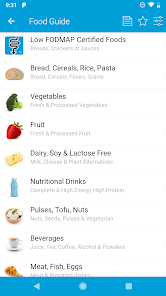
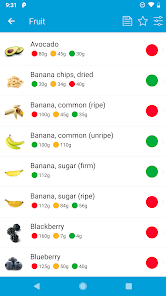
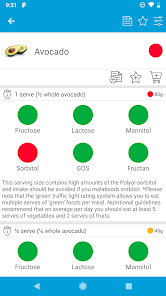
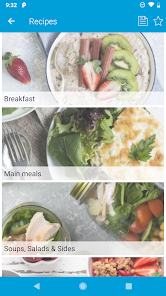
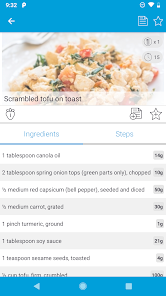
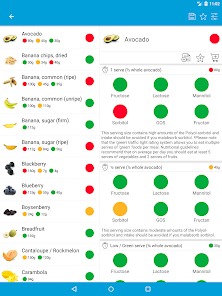
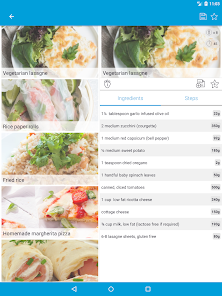
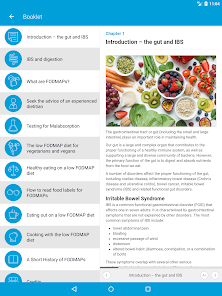
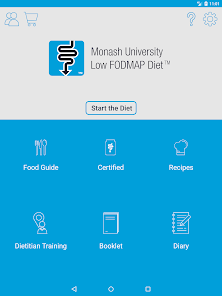
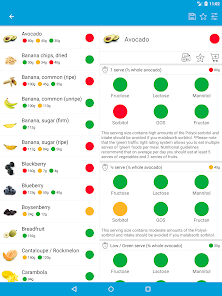
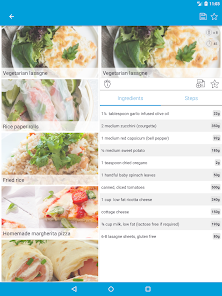
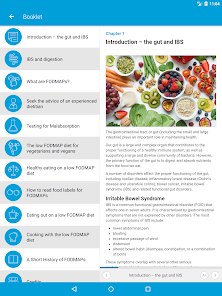
The Monash University FODMAP Diet app is your essential guide to managing digestive health through a low FODMAP diet. Developed by leading researchers, this app provides comprehensive food guides, personalized meal plans, and easy-to-follow recipes. With features like a FODMAP food database and symptom tracking, it empowers users to identify triggers and make informed dietary choices. Whether you're new to the low FODMAP diet or looking to refine your approach, this app is designed to support your journey to better gut health.
Advertisement
Features of Monash University FODMAP Diet
The Monash University FODMAP diet is a scientifically developed dietary approach designed to help individuals manage symptoms of irritable bowel syndrome (IBS) and other gastrointestinal disorders. One of its key features is the categorization of foods into high-FODMAP and low-FODMAP groups. This classification allows individuals to identify which foods may trigger their symptoms and which ones are safe to consume. The diet emphasizes the importance of a structured elimination phase, where high-FODMAP foods are removed from the diet for a period of time, followed by a gradual reintroduction phase to pinpoint specific triggers.
Another notable feature is the Monash University FODMAP app, which provides users with a comprehensive database of foods, including their FODMAP content. This app is regularly updated with new research findings and food items, making it a valuable resource for those following the diet. Additionally, the diet encourages a balanced intake of nutrients by promoting a variety of low-FODMAP foods, ensuring that individuals do not miss out on essential vitamins and minerals while managing their symptoms.
How to Use Monash University FODMAP Diet
To effectively use the Monash University FODMAP diet, individuals should start by familiarizing themselves with the concept of FODMAPs, which are fermentable carbohydrates that can cause digestive discomfort. The first step is to eliminate high-FODMAP foods from the diet for a period of 4 to 6 weeks. This phase is crucial for assessing symptom improvement. During this time, individuals should focus on consuming low-FODMAP foods, which include certain fruits, vegetables, grains, and proteins.
After the elimination phase, the next step is the reintroduction phase. This involves gradually reintroducing high-FODMAP foods one at a time, allowing individuals to monitor their symptoms and identify specific triggers. Keeping a food diary can be beneficial during this process, as it helps track food intake and symptom patterns. It is also advisable to consult with a healthcare professional or a dietitian who specializes in the FODMAP diet to ensure proper guidance and support throughout the journey.
Pros & Cons of the App
The Monash University FODMAP app offers several advantages for users navigating the complexities of the FODMAP diet. One of its primary benefits is the extensive database of foods, which includes detailed information on their FODMAP content. This feature allows users to make informed choices while grocery shopping or dining out. The app also provides recipes and meal ideas, making it easier to maintain a balanced diet while adhering to low-FODMAP guidelines. Additionally, the app is regularly updated with new research findings, ensuring that users have access to the latest information.
However, there are some drawbacks to consider. The app may require a purchase, which could be a barrier for some users. Additionally, while the app is a valuable resource, it may not replace personalized advice from a healthcare professional, especially for those with complex dietary needs. Some users may also find the initial learning curve challenging, as understanding FODMAPs and navigating the app's features can take time. Overall, while the app is a useful tool, it is essential to combine it with professional guidance for optimal results.
 Google Play
  App Store
 Top Apps





Similar Apps

MyChart
Medical

4.5

ASCCP Management Guidelines
Medical
4.5

Pedi STAT
Medical
4.3

NHS App
Medical
3.4

VA Video Connect
Medical
4.5

healow
Medical
4.6

GoodRx: Prescription Coupons
Medical
4.8

Sydney Health
Medical
4.6

MyQuest for Patients
Medical
4.5

APPatient
Medical
3.4

FollowMyHealth
Medical
4.7

Telehealth by SimplePractice
Medical
4.5
Advertisement
Laden…