
 Home
Home  Apps
Apps  Games
Games  About Us
  Cookies & Privacy Policy
  Terms of Service
ASCCP Management Guidelines
Version: 2.4
Developer: ASCCP
 Verified App
 Advertisement


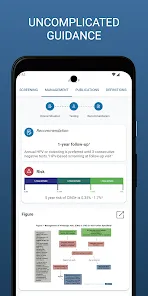
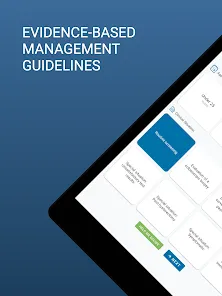


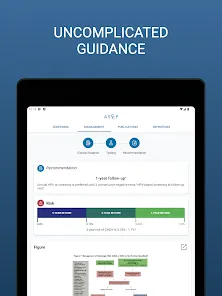
The ASCCP Management Guidelines App provides healthcare professionals with essential, evidence-based recommendations for the management of cervical cancer screening and treatment. Designed for easy access, the app offers up-to-date guidelines, algorithms, and resources to enhance clinical decision-making. With a user-friendly interface, it supports practitioners in delivering optimal patient care while staying informed about the latest advancements in cervical health management.
Advertisement
Features of ASCCP Management Guidelines
The ASCCP Management Guidelines are designed to provide a comprehensive framework for the management of cervical cancer screening and treatment. One of the key features is their evidence-based approach, which integrates the latest research findings to inform clinical decision-making. The guidelines cover a range of topics, including the management of abnormal cervical cancer screening results, the use of HPV testing, and the appropriate follow-up procedures for patients.
Another important feature is the stratification of patient management based on risk factors. The guidelines categorize patients into different risk groups, allowing healthcare providers to tailor their approach according to individual patient needs. This personalized management strategy enhances patient outcomes and ensures that interventions are both effective and appropriate.
Additionally, the ASCCP guidelines emphasize the importance of patient education and shared decision-making. They encourage healthcare providers to engage patients in discussions about their options, risks, and benefits, fostering a collaborative environment. Overall, the ASCCP Management Guidelines serve as a vital resource for clinicians, promoting best practices in cervical cancer prevention and treatment.
How to Use ASCCP Management Guidelines
Utilizing the ASCCP Management Guidelines effectively requires a systematic approach. First, healthcare providers should familiarize themselves with the guidelines by reviewing the latest version, which is regularly updated to reflect new research and clinical practices. Understanding the structure and content of the guidelines is crucial for effective application in clinical settings.
Next, clinicians should assess their patients' screening results and risk factors. The guidelines provide specific algorithms and flowcharts that help in determining the appropriate management pathway based on individual patient circumstances. By following these algorithms, providers can ensure that they are making informed decisions that align with best practices.
Moreover, it is essential to engage patients in the decision-making process. Providers should discuss the implications of the guidelines with their patients, explaining the rationale behind recommended management strategies. This not only enhances patient understanding but also fosters trust and compliance. Regularly revisiting the guidelines and participating in continuing education can further enhance a provider's ability to apply these recommendations effectively in practice.
Pros & Cons of the ASCCP Management Guidelines
The ASCCP Management Guidelines offer several advantages that enhance cervical cancer screening and management. One of the primary benefits is their evidence-based foundation, which ensures that recommendations are grounded in the latest research. This helps healthcare providers make informed decisions that can lead to better patient outcomes. Additionally, the guidelines promote standardized care, reducing variability in practice and ensuring that all patients receive appropriate management based on their risk factors.
However, there are also some drawbacks to consider. One potential con is that the guidelines may be complex and challenging to navigate for some healthcare providers, particularly those who are less familiar with the intricacies of cervical cancer management. This complexity can lead to misinterpretation or inconsistent application of the guidelines. Furthermore, while the guidelines are comprehensive, they may not account for every unique patient scenario, necessitating clinical judgment and experience in certain cases.
In summary, while the ASCCP Management Guidelines provide a valuable framework for cervical cancer management, it is essential for healthcare providers to balance adherence to these guidelines with individualized patient care. Continuous education and training can help mitigate some of the challenges associated with their use.
 Google Play
  App Store
 Top Apps





Similar Apps

MyChart
Medical

4.5

Monash University FODMAP diet
Medical
4.2

Pedi STAT
Medical
4.3

NHS App
Medical
3.4

VA Video Connect
Medical
4.5

healow
Medical
4.6

GoodRx: Prescription Coupons
Medical
4.8

Sydney Health
Medical
4.6

MyQuest for Patients
Medical
4.5

APPatient
Medical
3.4

FollowMyHealth
Medical
4.7

Telehealth by SimplePractice
Medical
4.5
Advertisement
Laden…