Version: 3.2.1
Developer: CNN
 Verified App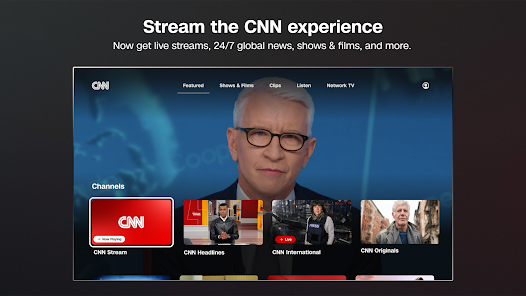
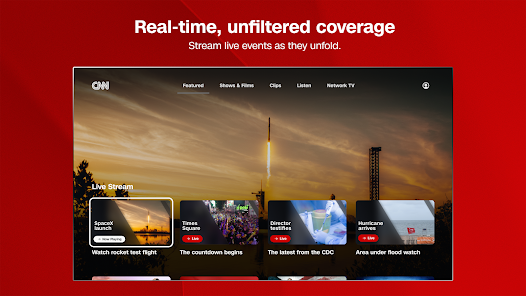
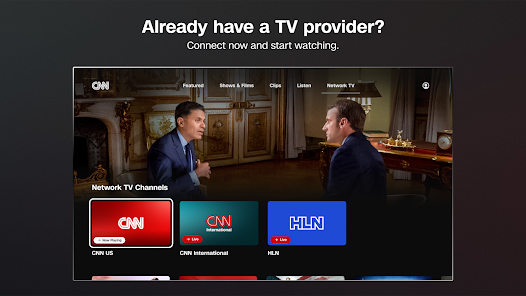
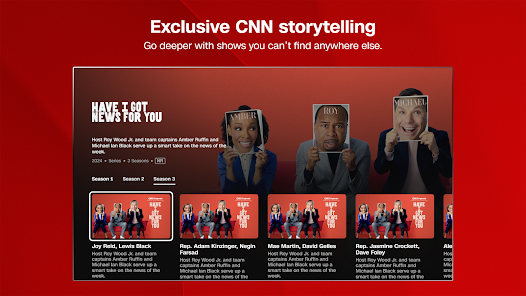
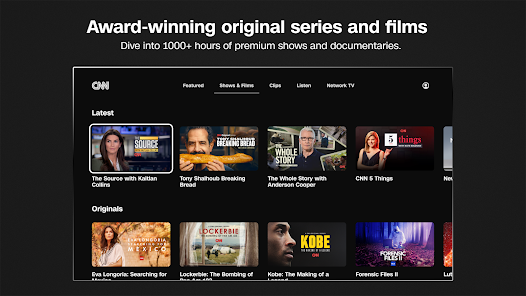
As a regular user of the CNN app, I’ve come to appreciate several standout features that enhance my news consumption experience. Here are some highlights that truly make this app a must-have for anyone wanting to stay informed.
My day typically begins with a cup of coffee and a quick scroll through the CNN app. As I sip my morning brew, I check for any overnight developments in world news or local events. The app’s live news alerts keep me informed about significant happenings, whether it's a political update or a natural disaster, allowing me to engage in conversations with friends and family later. Additionally, during my lunch break at work, I often revisit the app to catch up on the latest articles, especially those tailored to my interests, such as technology and business updates.
The user interface of the CNN app is sleek and intuitive, making navigation a breeze. The homepage presents a well-organized layout, featuring trending stories, sections for various topics, and a dedicated space for live updates. I particularly enjoy how articles are presented with engaging visuals, making the reading experience much more enjoyable. The app’s loading time is impressively fast, ensuring I get the latest updates without delay. After using the app consistently, I feel a sense of reliability; I know I can count on CNN for accurate, up-to-the-minute news.
The CNN app is free to download and use, which is a significant advantage for users like me who want access to quality news without a subscription fee. While there is a premium version that offers additional features and content, the free version is quite comprehensive and satisfies my daily news needs perfectly.
I appreciate how frequently CNN updates the app, ensuring it stays relevant and functional. The latest updates have included improvements to the user interface and enhanced features, such as better offline reading options. Additionally, the support team is responsive; I once encountered a minor bug, and after reaching out, I received a prompt solution that made my experience seamless again.
As an American user, security and privacy are always top concerns when using any app, and the CNN app is no exception. Downloading the app from official sources like the App Store and Google Play provides an initial layer of security. Upon registration, I noticed that the app only required minimal personal data, which is reassuring compared to many other news platforms that ask for extensive information.
Regarding ads and tracking behavior, while the app does feature advertisements, they are generally unobtrusive and tailored to my interests based on my usage patterns. I appreciate that CNN seems to prioritize user privacy; I have not felt overwhelmed by invasive tracking or excessive ads, allowing me to focus on consuming news rather than being bombarded with promotional content.
In conclusion, my experience with the CNN app has been overwhelmingly positive. Its robust features, user-friendly interface, and focus on security make it one of my go-to sources for news. If you’re looking for a reliable and engaging way to stay informed, I highly recommend giving it a try.

 Stay updated with real-time news Access to exclusive articles and videos Personalized content tailored for you User-friendly interface for easy navigation Notifications for breaking news alerts
 Limited offline access Frequent ads disrupt content Not user-friendly interface Slow loading times sometimes
 Yes, the CNN app allows users to customize their news feed based on interests and preferences. Users can select specific topics or categories they are interested in, and the app will tailor the news updates and notifications accordingly. This personalization helps ensure that users receive the most relevant news for their interests.
Yes, the CNN app includes sharing options that allow users to easily share articles and videos on various social media platforms. Users can simply tap the share button within the app to post content to their favorite social media sites, as well as send links via email or messaging apps. This feature enhances the app's usability for keeping friends and family informed.
To enable notifications for breaking news, users need to go to the settings section of the CNN app. From there, they can toggle on notifications for breaking news alerts. Users can also customize which types of notifications they want to receive, allowing for a more tailored news experience.
The CNN app is available for download in many countries; however, some content may be restricted based on regional availability and licensing agreements. Users outside the U.S. may not have access to all features, particularly live streaming of CNN broadcasts. It's recommended to check local app stores for availability and features.
Yes, the CNN app is free to download for both iOS and Android devices. While the app is free to use, some features may require a cable subscription for live streaming certain CNN content. The majority of articles and video clips can be accessed without any payment, making it a valuable resource for news consumption.
Yes, if you're a new user, you need to activate your account via the confirmation email sent after registration.
You can reach CNN app Customer Service through the app's settings or visit their official website for support options.
The Customer Number can typically be found in your account settings under profile information within the app.
Open the app, tap on the login button, and enter your registered email and password to access your account.

















 Google Play
  App Store