
 Home
Home  Apps
Apps  Games
Games  About Us
  Cookies & Privacy Policy
  Terms of Service
Weather data & microclimate :
Version: 6.17.0
Developer: Weather Underground
 Verified App
 Advertisement
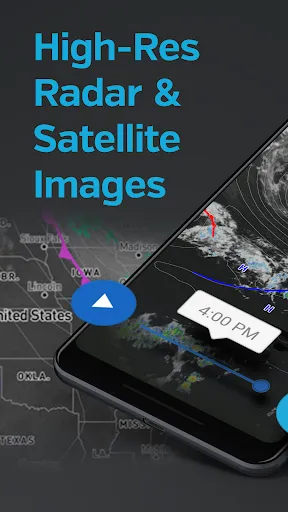
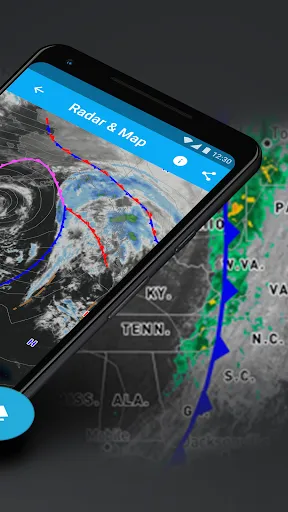
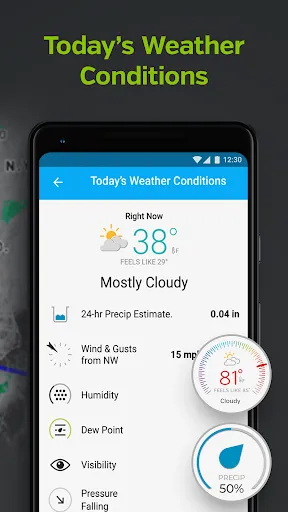
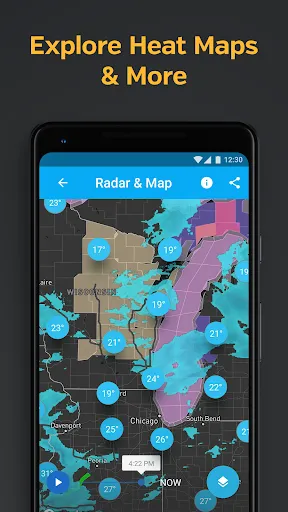
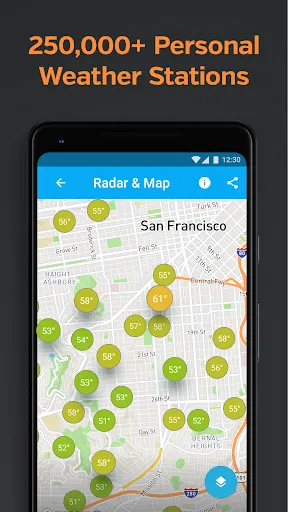
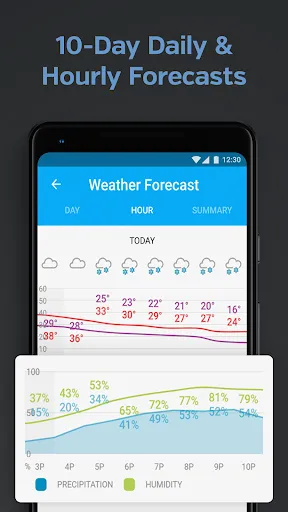
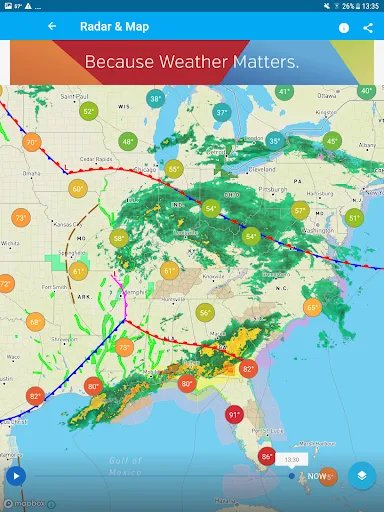
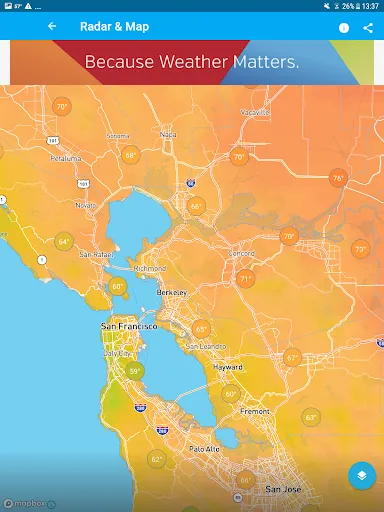
Introducing the "Weather Data & Microclimate" app, your ultimate tool for understanding local weather patterns and microclimates. With real-time data, personalized forecasts, and detailed insights, this app empowers you to make informed decisions for outdoor activities, gardening, and more. Explore temperature variations, humidity levels, and wind conditions specific to your location, ensuring you stay ahead of the weather. Experience the power of localized weather information at your fingertips!
Advertisement
```html
Features of Weather Data & Microclimate
Weather data and microclimate analysis provide a comprehensive understanding of localized weather patterns and environmental conditions. Key features include real-time weather updates, which offer current temperature, humidity, wind speed, and precipitation levels. This data is crucial for various applications, from agriculture to urban planning, as it helps users make informed decisions based on immediate weather conditions.
Another significant feature is the historical weather data, which allows users to analyze trends over time. This can be particularly useful for researchers and businesses looking to understand seasonal variations and long-term climate changes. Additionally, microclimate mapping provides insights into specific areas, highlighting variations in temperature and humidity that can occur within short distances due to factors like topography and vegetation.
Furthermore, predictive analytics tools can forecast future weather conditions, enabling users to prepare for upcoming events. Integration with IoT devices enhances data collection and monitoring, providing a more detailed and accurate picture of the microclimate. Overall, these features empower users to optimize their activities based on precise weather information.
How to Use Weather Data & Microclimate
Utilizing weather data and microclimate information effectively requires a systematic approach. First, identify the specific needs of your project or activity. For instance, farmers may focus on soil moisture and temperature, while urban planners might prioritize air quality and temperature variations. Once you have a clear objective, select a reliable source of weather data, such as local meteorological services or specialized apps that provide microclimate insights.
Next, analyze the data by comparing real-time updates with historical trends. This analysis can help you understand patterns and make predictions about future conditions. For example, if you notice a consistent drop in temperature during a specific month, you can plan accordingly for crop planting or construction schedules. Additionally, consider using visualization tools that can help you map microclimate variations, making it easier to identify areas that may require special attention.
Finally, stay updated with alerts and notifications for sudden weather changes. Many apps and services offer customizable alerts that can inform you of severe weather conditions, allowing you to take timely action. By integrating these steps, you can leverage weather data and microclimate information to enhance decision-making and improve outcomes in your endeavors.
Pros & Cons of Weather Data & Microclimate Apps
Weather data and microclimate apps come with several advantages. One of the primary benefits is the accessibility of real-time information, which allows users to make informed decisions based on current weather conditions. This is particularly valuable for industries like agriculture, where timely data can significantly impact crop yields. Additionally, these apps often provide localized data, giving users insights into specific microclimates that may not be captured by broader weather forecasts.
However, there are also drawbacks to consider. The accuracy of weather data can vary depending on the source and the technology used for data collection. Some apps may not provide comprehensive coverage, leading to gaps in information. Furthermore, users may become overly reliant on these tools, potentially neglecting traditional methods of weather observation and analysis. Lastly, the user interface and experience can differ significantly between apps, which may affect usability and the overall effectiveness of the data provided.
In summary, while weather data and microclimate apps offer valuable insights and convenience, it is essential to weigh their pros and cons to ensure they meet your specific needs effectively.
``` Check All Versions  Google Play
  App Store
Google Play App Store Top Apps





Similar Apps

The Weather Channel - Radar
Weather

4.6

AccuWeather
Weather
4.4
Weather Radar by WeatherBug
Weather
4.7
Clime: NOAA Weather Radar Live
Weather
4.2

My Lightning Tracker Pro
Weather
4.7

NOAA Weather Unofficial (Pro)
Weather
4.8

RadarOmega
Weather
3.5
RadarScope
Weather
3.9
Weather Home - Live Radar
Weather
4.5

FOX Weather: Daily Forecasts
Weather
3.8

BBC Weather
Weather
4.6
CARROT Weather
Weather
2.5
Advertisement
Laden…