
 Home
Home  Apps
Apps  Games
Games  About Us
  Cookies & Privacy Policy
  Terms of Service
Pupil Distance PD Glasses & VR
Version: 1.3.3
Developer: Tech+Beyond
 Verified App
 Advertisement
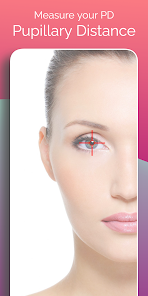
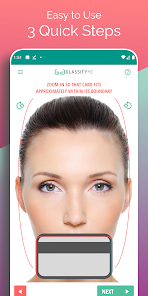
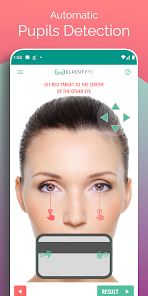
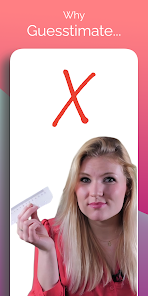
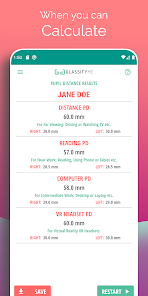
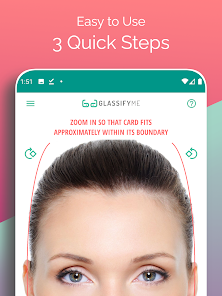
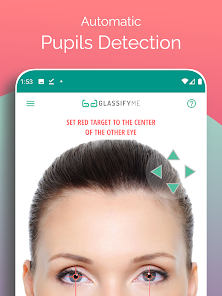
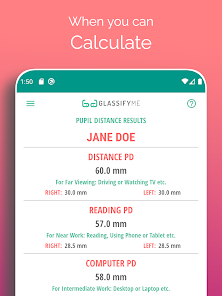
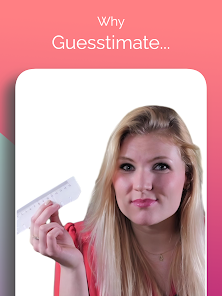
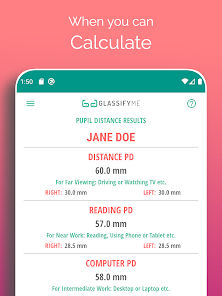
Introducing the "Pupil Distance PD Glasses & VR" app, your essential tool for accurate pupillary distance measurement. Whether you're ordering glasses or setting up your virtual reality headset, our user-friendly interface ensures precise results in just a few simple steps. With advanced technology and intuitive design, achieving the perfect fit for your eyewear has never been easier. Experience enhanced comfort and clarity with the PD app, tailored for both everyday glasses and immersive VR experiences.
Advertisement
Features of Pupil Distance PD Glasses & VR
Pupil Distance (PD) Glasses and VR headsets are designed to enhance the visual experience by ensuring that the lenses are perfectly aligned with the user's eyes. One of the key features is the adjustable PD measurement, which allows users to customize the distance between the lenses to match their unique eye spacing. This is crucial for achieving optimal clarity and comfort during use.
Another notable feature is the high-quality lenses that often come with anti-reflective coatings, reducing glare and improving visual acuity. Many PD glasses and VR devices also incorporate lightweight materials, making them comfortable for extended wear. Additionally, some models offer blue light filtering technology, which helps to reduce eye strain during prolonged use, especially in digital environments.
Furthermore, many VR headsets are equipped with immersive audio systems that enhance the overall experience, providing a more engaging environment. Compatibility with various devices, such as smartphones and gaming consoles, is also a significant feature, allowing users to enjoy a wide range of content. Overall, PD Glasses and VR headsets are designed to provide a personalized and immersive visual experience.
How to Use Pupil Distance PD Glasses & VR
Using Pupil Distance (PD) Glasses and VR headsets is a straightforward process that enhances your visual experience. First, measure your PD accurately, which can typically be done using a ruler or a dedicated app. Once you have your PD measurement, adjust the lenses of the glasses or VR headset accordingly. Most devices have a simple mechanism for this adjustment, ensuring that the lenses align perfectly with your eyes.
Next, put on the glasses or VR headset and ensure that they fit snugly but comfortably. If you are using VR, make sure to adjust the straps for a secure fit. Once everything is in place, you can connect your device, whether it’s a smartphone or a gaming console, to the VR headset. Follow the on-screen instructions to calibrate the device, which may include adjusting the field of view and focus settings.
Finally, explore the content available, whether it’s games, movies, or virtual environments. Take breaks as needed to avoid eye strain, and adjust the settings for brightness and contrast to suit your preferences. With these steps, you can fully enjoy the immersive experience that PD Glasses and VR headsets offer.
Pros & Cons of the App
When considering the use of an app designed for Pupil Distance (PD) measurement and VR experiences, there are several pros and cons to take into account. On the positive side, these apps often provide a convenient and user-friendly way to measure your PD accurately without needing professional assistance. This can save time and money, making it accessible for a wider audience. Additionally, many apps offer features such as virtual try-ons for glasses, allowing users to see how different frames look on their face before making a purchase.
Another advantage is the ability to store multiple PD measurements for different users, making it a versatile tool for families or groups. The integration of augmented reality (AR) features can also enhance the user experience, providing interactive elements that engage users more effectively. However, there are some drawbacks to consider. The accuracy of PD measurements can vary depending on the app and the user's ability to follow instructions correctly. Some users may find it challenging to achieve precise measurements without assistance.
Moreover, reliance on technology can sometimes lead to frustration if the app malfunctions or if there are compatibility issues with devices. Privacy concerns may also arise, as users may need to provide personal information to use certain features. Overall, while the app offers significant benefits, it is essential to weigh these against the potential downsides to determine if it meets your needs.
 Google Play
  App Store
 Top Apps





Similar Apps

AllTrails: Hike, Bike & Run
Health & Fitness

4.6
Blood Pressure App Pro
Health & Fitness
3.9
Blood Pressure Monitor & Info
Health & Fitness
4.5
Calm - Sleep, Meditate, Relax
Health & Fitness
4.5
Feelsy: ASMR Stress Relief
Health & Fitness
4.1
FitNotes Supporter
Health & Fitness
4.9

Fitbit
Health & Fitness
4.1

Flo Period & Pregnancy Tracker
Health & Fitness
4.7

Geocaching®
Health & Fitness
4.6

Peloton - Fitness & Workouts
Health & Fitness
4.1

The Blood Type Diet®
Health & Fitness
4.5
White Noise
Health & Fitness
4.5
Advertisement
Laden…